Aside

Packing a Sustainable Lunch

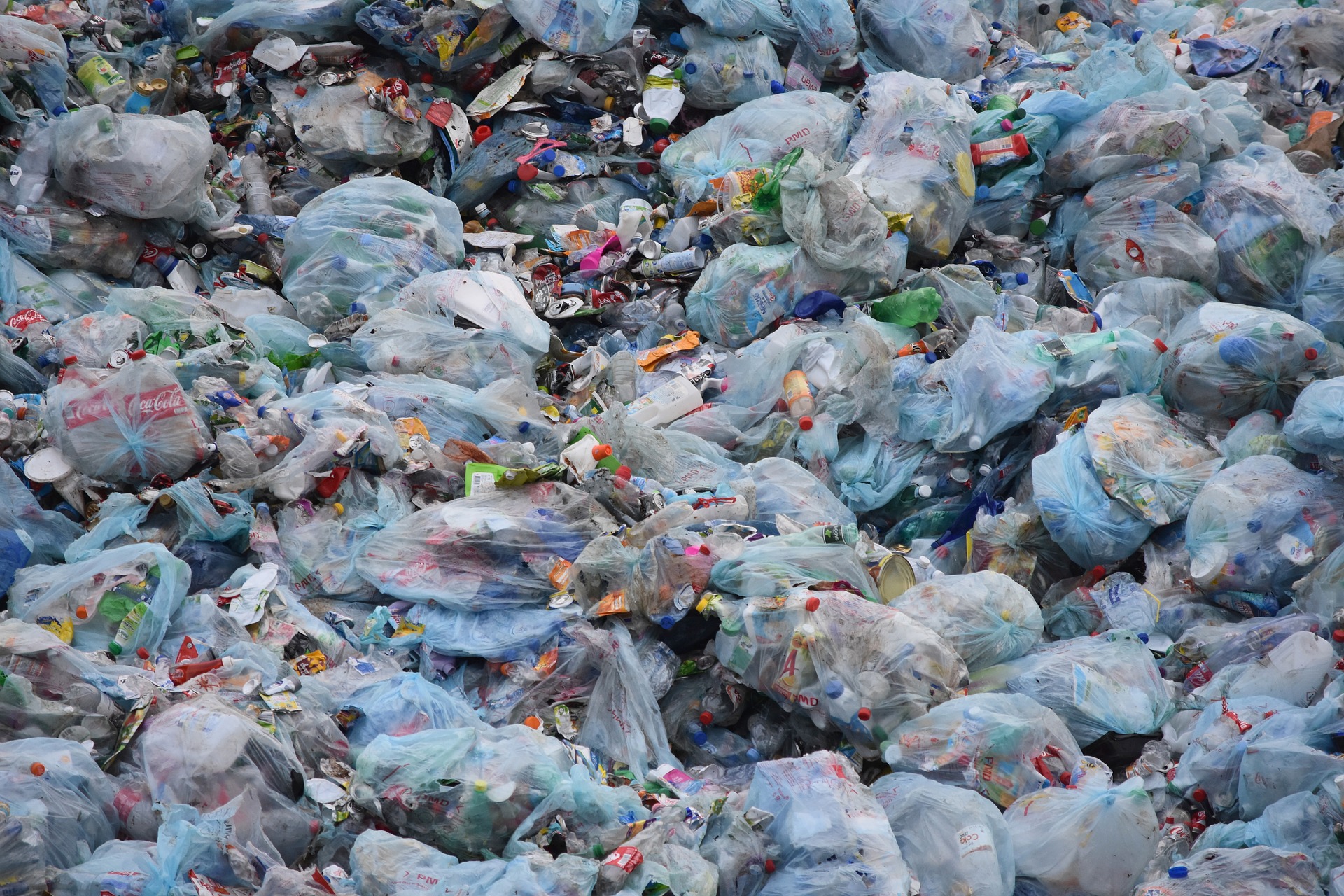
How many pounds of waste do you create daily? (Photo by Ben Kerckx)

Whether you’re busy with school, work, kids or all of the above, packing a lunch for the day can be wasteful because of excess packaging. The average person creates around 4.5 pounds of waste daily, so cut down on your prepped meal wastes with these tips.

Ditch paper bags

Carry your food in a reusable lunchbox like the ECOlunchbox made from 100 percent organic cotton or stainless steel. ECOlunchbox has already divertedtens of millions of pieces of trash from the garbage.

Cut out plastic

If you pack a variety of snacks, swap out plastic zip bags and use stainless steel containers instead. Stainless steel is recyclable and is made from around 70 percent recycled metal scraps.

Wrap your snacks

Beeswax also works great to save leftover food. (Photo by RikaC)

If you want to pack your snacks in something less bulky, consider using beeswax paper. Beeswax paper is made from organic cotton, beeswax and jojoba oil and can be washed, reused and composted.

Pack your own cutlery

Single-use plastic like forks, spoons and straws contribute to the 6.3 billion metric tons of plastic waste on our planet. Pack a personal utensil set in your lunch bag and reuse it for every meal.

Save your scraps

If you end up with scraps from your lunch, don’t throw them away. Instead, save them in a stainless steel container and compost them when you get home.
Aside

Sustainable period


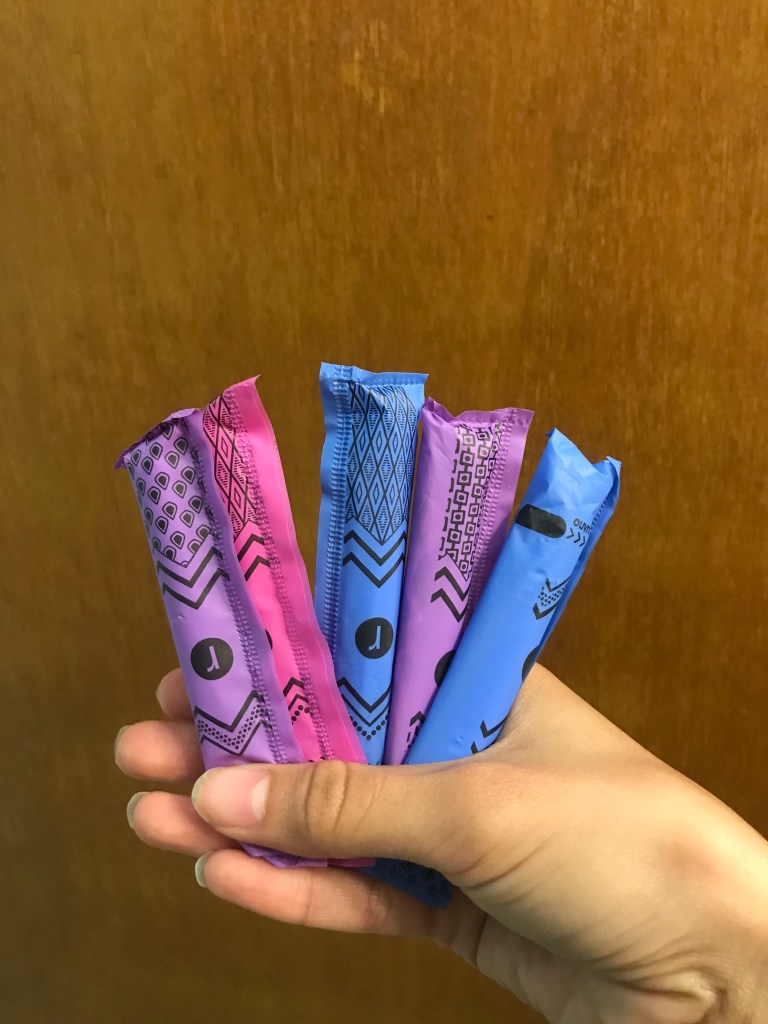
How many tampons and pads do you use each month? (Photo by me)

Have you ever considered how much waste you’re producing every month because of your period?

Whether you use pads, tampons, liners or a combination of everything, these types of menstrual products are not recyclable and are not biodegradable.

In a woman’s lifetime, she will use over 11,000 pads and tampons that are made with plastic and chemicals that cannot break down in the environment.

Although this cotton tampon is biodegradable, the plastic applicator is not. (Photo by me)

Only 100 percent cotton tampons and pads are biodegradable and can break down in the environment over a long period of time. However, plastic components like a tampon applicator or the plastic adhesive on pads will take centuries to break down and is an unnecessary form of single-use plastic.

Tampons also contain chemicals like dioxin, chlorine and rayon that are not only absorbed into the bloodstream through the vagina walls, they also become pollutants in the environment when discarded.

Consider ditching everyday pads and tampons altogether and switch to a more sustainable period alternative like the menstrual cup.

After ditching tampons and switching to my OrganiCup, I no longer create period related waste. (Photo by me)

A single menstrual cup will last a woman 10 years and is made of silicone. Although silicone is not biodegradable, it is the more sustainable option compared to single-use plastic because of the longevity of the cup before it needs to be thrown away.

The menstrual cup is inserted into the vagina where it creates a suction against the vaginal walls to collect blood. The cup lasts up to 12 hours before it needs to be removed, washed and reinserted for another 12 hours.

The punch down fold is one of the many popular menstrual cup folds for insertion. (Photo by me)

Popular brands of menstrual cups for beginners include the DivaCup, the Lily Cup, the Lena Cup, the OrganiCup and many more.

The OrganiCup is a personal favorite because not only does the company have a Natural and Organic Award, the products are vegan and the company prints the instructions directly on the box to reduce shipping and packaging waste.

If a menstrual cup isn’t something you’re ready to try, you can always switch to cloth pads which are reusable and can be discreetly snapped into place around your underwear.

Cloth pads are used just as any pad and should be changed every four to six hours. However, instead of discarding it, throw the cloth pad into the washing machine and dryer when you’re done to reuse it again.

Brands of cloth pads include Tree Hugger that plants a tree for every cloth pad sold, GladRags, hannahpad and many more.

Find the best sustainable alternative for your period and say goodbye to monthly period waste.

Aside

Eco-Friendly Cosmetic Brands

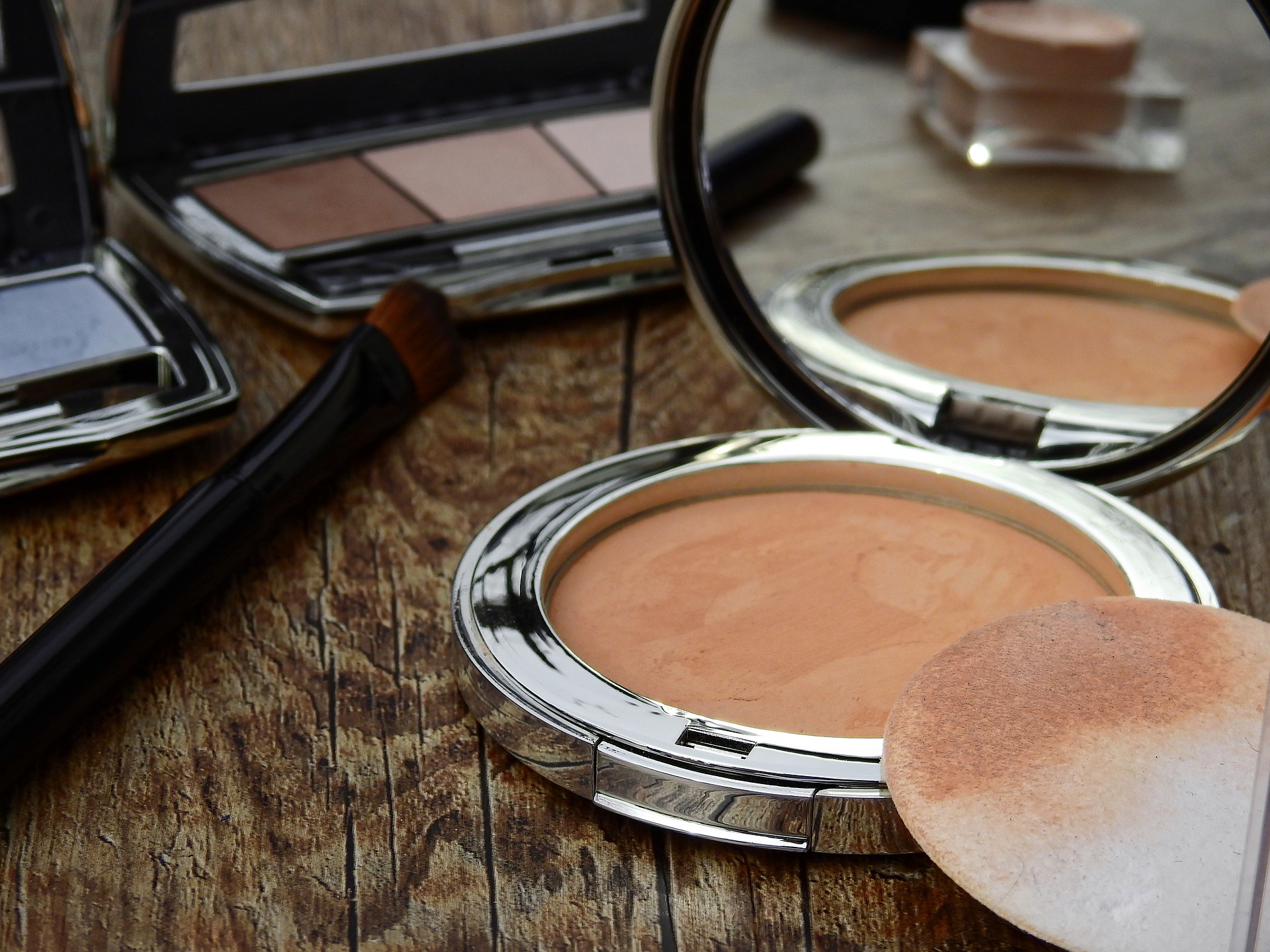
Women use an estimated total of 12 cosmetic products daily that contain over 168 different chemicals. Some of these chemicals cannot be broken down in the environment and can pollute aquatic life. Instead, consider these brands that follow green practices.

Chemicals and packing used in cosmetic production can pollute the environment. (Photo by Bruno Glätsch)

Kjaer Weis

All ingredients used are certified natural or organic. Packaging includes stainless steel compacts that can be reused and have a minimal impact on the environment.

Elate

Bamboo is an eco-friendly alternative to plastic packaging because it’s biodegradable. (Photo by Tuan Nguyen Khac)

All compacts and tools are made of bamboo. Elate also offers cosmetic refills wrapped in seed paper that you can plant to grow flowers or herbs instead of discarding.

Alima Pure

All compacts for powder and foundations are reusable. The brand is carbon neutral and also donates one percent of annual gross revenue to 1% For The Planet, which supports environmental groups working to protect the planet.

100% Pure

Instead of adding extra chemicals, 100% Pure uses essential oils as a natural fragrance. (Photo by Marina)

This company describes natural ingredients as, “from nature and ONLY undergo chemical changes due to biological processes such as fermentation, distillation, and cold processing.” The color in products is made from fruit, vegetable, tea and other plant products. Fragrances are made from essential oils.

Vapour

Vapour uses only natural ingredients and packages cosmetics in aluminum and glass, which are recyclable. The company operates in a USDA organic laboratory that uses Forest Stewardship Council certified paper and soy ink produced from a wind-powered facility.

Aside

Reduce Your Flu Season Waste

With winter finally coming to a close, aren’t you glad flu season is ending too?

Wrong! In the U.S. the flu season is usually between December and February but peaks in January and March until it comes to an end around May. If you’re a victim of the late-winter flu, combat your symptoms in a more natural and less wasteful way instead of running to the drug store and buying pharmaceuticals that can end up polluting the environment.

Curb that cough

Calm your cough with a spoonful of honey and lemon. (Photo by Steve Buissinne)

Like most things bought at a supermarket, household medicines are sold in an unnecessary amount of packaging. In 2015, 77.9 million tons of packaging waste were thrown away. Skip the packaging and add a squeeze of lemon to a spoonful of honey and let it dissolve in your mouth before swallowing to coat your throat and curb your cough.

For a sore throat

Ditch single-use tea bags and make your tea with a reusable tea infuser. (Photo by Couleur)

You’ve probably heard your mom say this a thousand times, but drinking tea can help soothe your throat. Cut out single-use tea bag waste by making your own tea with a reusable tea infuser. You can heat up this simple ginger tea recipe to soothe your throat. Don’t forget you can also compost your biodegradable scraps like ginger and lemon peels.

Knockout your headache

Try using essential oils the next time you have a headache. (Photo by Mitchf1)

Drop that pill bottle and instead take a few drops of peppermint essential oil and massage it into your forehead and temples. The cooling effect peppermint has on the skin can relieve migraines and headaches. You can also use an aroma diffuser and add drops of lavender or eucalyptus essential oils to inhale and relieve headache tension and sinus pressure.

Ditch the tissues

In the U.S. a person will use 50 pounds of paper tissue products per year, and the EPA estimates that 28 percent of household trash is paper. Ditch tissues and purchase an organic tissue book with cloth pages that you can wash and reuse.

For more severe congestion, purchase a neti pot to flush out mucus and clear your sinuses with a saline solution. You can reuse the neti pot every flu season.

Disposal


Flushing medicine down the toilet can pollute the environment. (Photo by Andrew Martin)

According to Mother Nature Network, more than 100 different pharmaceuticals have been found in bodies of water around the world. If your symptoms persist and you end up relying on pharmaceuticals from a physician, make sure to properly dispose of your medicine so it doesn’t end up in the environment.

Aside

Sustainable Workout Habits

Whether you exercise at a gym or at home, there are plenty of ways to make your workout habits more eco-friendly.

Ditch electric machinery

Ditch the treadmill and complete your cardio routine outside. (Photo by Profivdeos)

The average treadmill emits 110 pounds of carbon dioxide annually if used two and a half hours per week, which is the government recommendation. Instead, complete your cardio workout outside by biking, hiking or mapping your own running route.

Buy sustainable workout clothing

Buy workout clothing from brands like Sundried that are partnered with Low Carbon Innovation Fund to ensure they have the smallest carbon footprint possible. You can also try BAM clothing made from biodegradable bamboo cotton.

Resell or donate old gym items

Donate your athletic shoes to your local Nike store. (Photo by Michal Jeník)

Sell and buy gently-used gym equipment to cut down on waste. You can also donate used athletic shoes to Nike to be ground up and repurposed.

Workout at home

The average passenger vehicle emits around 4.6 metric tons of carbon dioxide every year. Cut down on greenhouse gas emission and workout at home with items you already have as substitute weights.

Showering after the gym

Reduce unnecessary plastic packaging by using bar soap, shampoo and conditioner. (Photo by kohnrebecca0)

              A standard shower head uses 2.5 gallons of water every minute. After your workout, take a shower in 10 minutes or less. Freshen up with bar soap and bar shampoo and conditioner, made with eco-friendly ingredients and no packaging. You can also use bar deodorant that contains essential oils instead of aluminum.

Aside

Ecological Paw Print

It may be hard to believe, but even little Fido can leave an ecological paw print. In 2017 a total of 89.7 million dogs in the U.S. were registered as pets, making it necessary to practice a sustainable lifestyle not only for ourselves, but for our dogs too.

Potty training your dog

Potty training a new puppy or living with an indoor dog can create a lot of waste from cleaning supplies and trash bags. If your pet still hasn’t grasped the whole, “use the restroom outside” rule, consider biodegradable pads like the Bamboo Training Pads that are made of 25 percent bamboo rayon and 75 percent wood pulp. You can also try the Petmaker Puppy Potty Trainer to reduce waste.

Dog food

Is you dog’s food USDA certified organic? (Photo by Ally J.)

Only buy food brands for your dog that are USDA certified organic to support farming that keeps pesticides out of food and water runoff. Brands include Organix, Tender and True, “I and love and you” and many more. As well, most dog food bags are lined with plastic and can’t be recycled. However, TerraCycle is a recycling service where you can send back waste items including dog food bags to recycle and repurpose the plastic. TerraCycle is currently partnered with Open Farm, Royal Canin and Wellness dog food brands.  

Sustainable toys

Bite the bullet (or plastic) and make your own dog toys out of old clothing. (Photo by Kris)

Humans are producing around 300 million tons of plastic every year, and a majority of pet toys are made of plastic that can’t be recycled after it’s chewed and slobbered on. Instead, you can recycle household items by making chew toys out of old clothing, and your dog will never know the difference. If you aren’t keen on the idea of making dog toys, consider buying from West Paw that uses eco-friendly materials through a recycled plastic fiber system, IntelliLoft.

Pet waste options

When you’re out and about with your companion, make sure to carry biodegradable poop bags to clean up your pet’s droppings. According to Clear Choices Clean Water, the average dog poops 0.75 pounds of waste daily, which totals over 400 pounds per year. If not collected properly, dog poop can contaminate rivers, streams and other bodies of water. You can also compost your dog’s poop in your backyard with an EnsoPet Kit.

Buy green necessities

My dogs Jack (left) and Thor (right) posing for their annual Christmas photos. (Photo by me)

Before buying supplies from a pet store, look into eco-friendly and organic products for your dog. From shampoo and beds to cleaning products, consider sustainable options for your furry friend, and help reduce their ecological paw print.